How Low Refrigerant Causes Frozen AC Coils and Tripped Electrical Breakers
A cooling system that suddenly stops working during the tail end of the warm season is often suffering from a critical internal imbalance. At Airsense Mechanical, we receive numerous service calls from homeowners who are confused to find ice forming on their outdoor equipment while the weather is warm outside. This strange symptom, along with an electrical breaker that suddenly trips, points directly to a serious issue within the sealed refrigerant lines. Understanding how these mechanical and electrical symptoms interact is the first step toward getting your cooling system running safely again.
When an air conditioner suffers from a slow leak, the drop in pressure completely disrupts the normal thermodynamic cycle of the system. This issue affects homes across Newmarket, particularly older properties where natural ground vibrations or thermal expansion have weakened copper joints over time. Attempting to run the system while it is low on refrigerant will cause immediate damage to your compressor. Our TSSA and HVAC certified technicians have the specific diagnostic tools needed to isolate these hidden leaks and repair the system correctly.
What We Cover:
- The Physics of Low Refrigerant and Ice Formation
- Why Electrical Breakers Trip Under Low Pressure
- Why DIY Refrigerant Topping Makes the Damage Worse
- Professional Methods for Lasting AC Repair
The Physics of Low Refrigerant and Ice Formation
The refrigerant inside your air conditioner expands and contracts to absorb heat from your indoor air and release it outside. When a leak occurs and the overall volume of chemical drops, the pressure inside the indoor evaporator coil drops along with it. According to the laws of thermodynamics, this lower pressure causes the temperature of the remaining refrigerant to plunge way below the freezing point.
As warm, humid household air passes over this ultra cold metal coil, the moisture instantly freezes solid onto the aluminum fins. Layer after layer of ice builds up until the entire coil is encased in a solid block, completely blocking any airflow into your home.
→ From a professional standpoint: An icy air conditioner coil is a clear indication of a severe airflow restriction or a dangerous drop in internal system pressure.
Why Electrical Breakers Trip Under Low Pressure
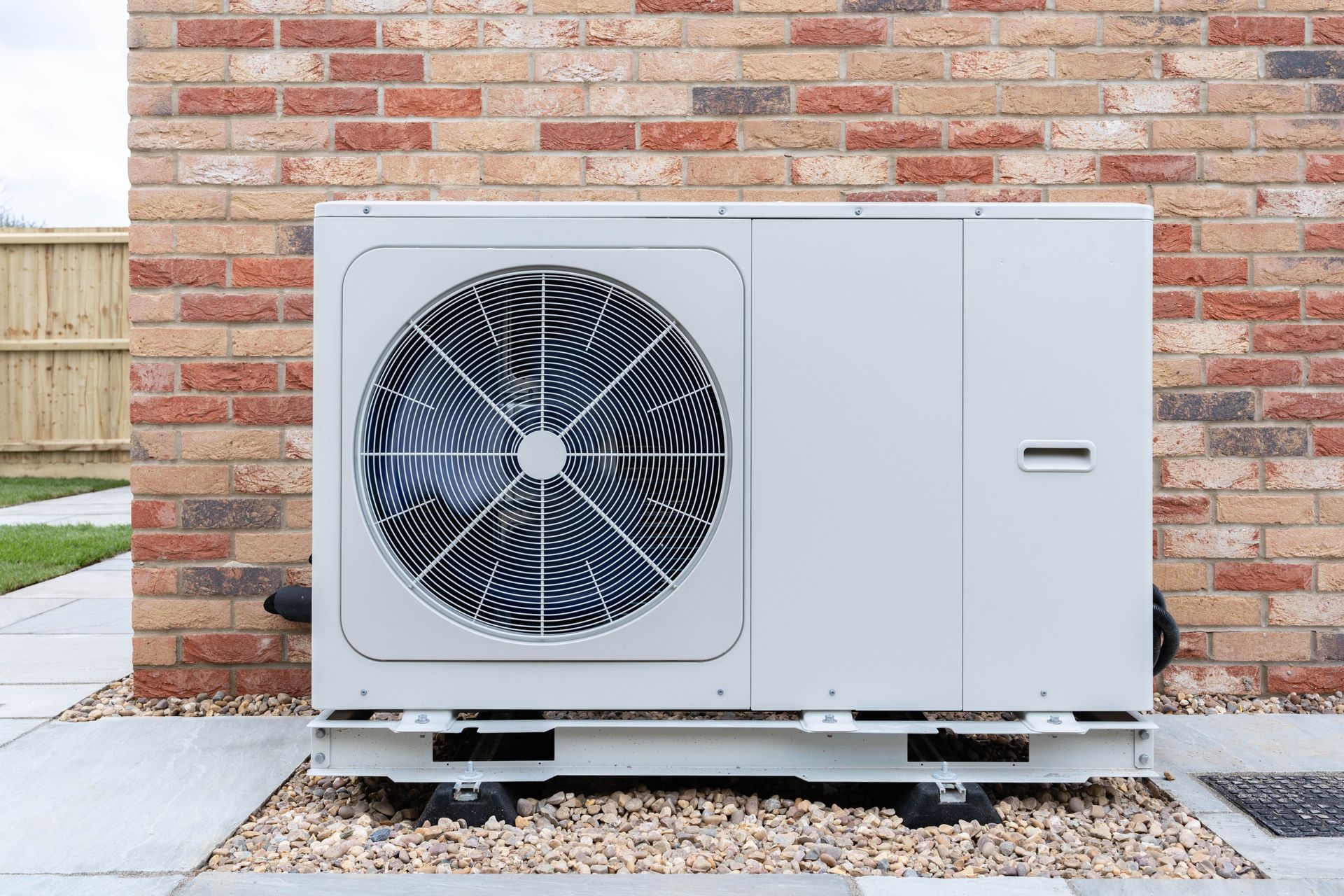
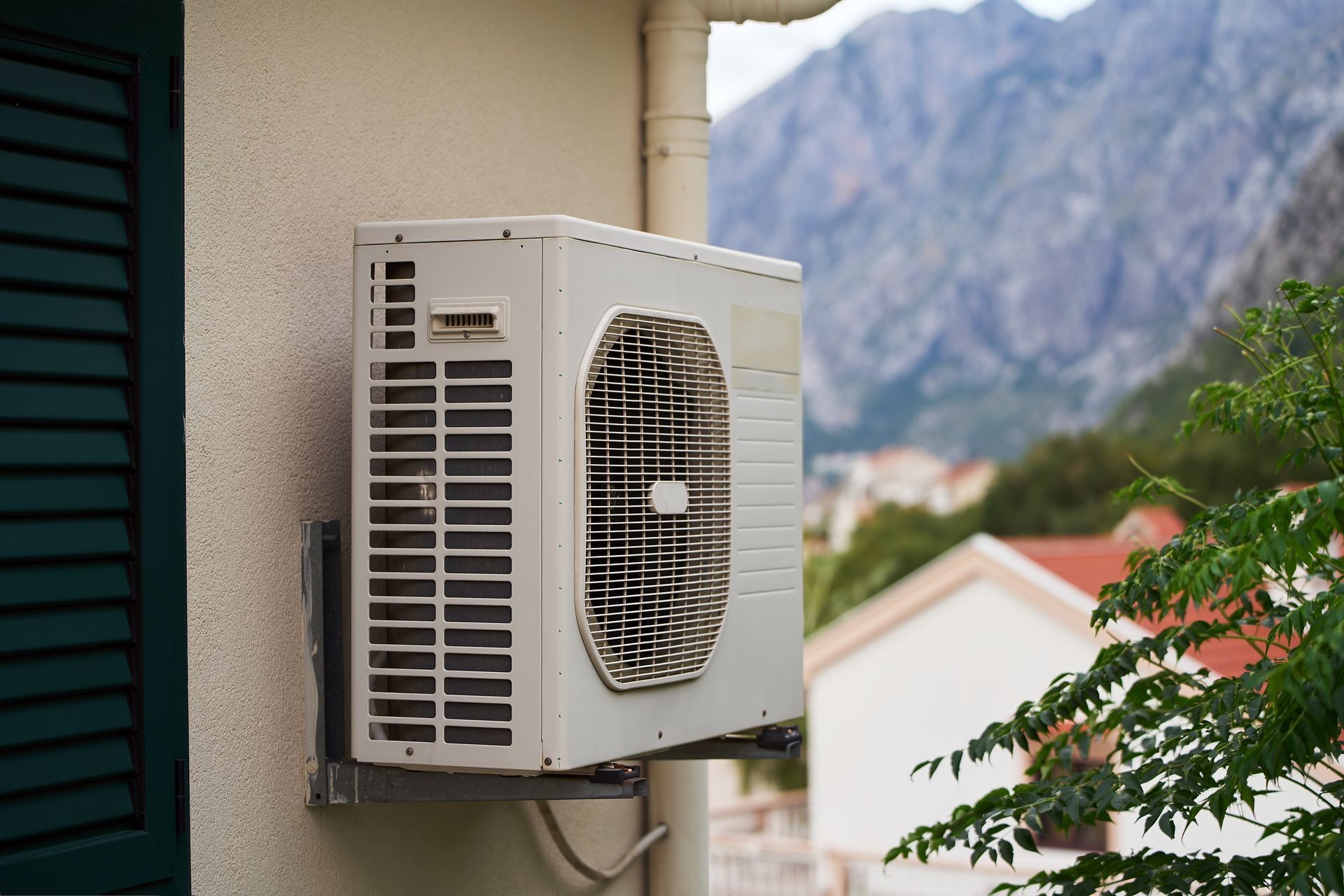
The frozen indoor coil is only the visible part of a larger mechanical issue that quickly spreads to your electrical panel. Because the ice block prevents the refrigerant from absorbing heat inside the house, the chemical returning to the outdoor compressor remains a cold liquid instead of a warm gas. Compressors are strictly designed to pump vapor, and attempting to compress a liquid places an immense mechanical load on the motor pistons.
This intense physical resistance causes the outdoor compressor motor to draw far more electrical current than it is safely rated to handle. The wire coils inside the motor overheat rapidly, forcing the main electrical breaker in your basement panel to trip to prevent an electrical fire.
→ A quick tip to remember: Resetting a tripped AC breaker multiple times without fixing the underlying mechanical blockage will completely burn out your expensive compressor motor.
Why DIY Refrigerant Topping Makes the Damage Worse
Many homeowners try to solve this issue by purchasing consumer retail refrigerant kits to top up the system themselves. This action commonly ruins the equipment because an air conditioner is a finely balanced system that requires an exact weight of chemical measured to the ounce. Without professional gauges to monitor subcooling and superheat temperatures, amateurs almost always overfill the lines.
Adding too much refrigerant floods the compressor with excess liquid, washing away the internal lubricating oil and destroying the mechanical bearings within minutes. Furthermore, simply adding more chemical does absolutely nothing to fix the actual hole where the gas escaped in the first place.
→ From a professional standpoint: Refrigerant handling is strictly regulated, and adding gas without performing a certified leak test is illegal and damages the environment.
Professional Methods for Lasting AC Repair
A certified technician approaches a frozen system by turning off the cooling function completely to let the ice melt safely without flooding your floor. Once the coil is clear, we use specialized electronic leak detectors to trace the entire length of copper piping and find the exact pinhole leak.
We then recover the remaining gas safely, braze the leaking copper joint using high grade materials, and pull a deep vacuum to clear out any moisture. Finally, we weigh in a fresh charge of certified refrigerant to matching factory specifications, ensuring your forced air conditioning system runs perfectly without overloading your electrical circuits.
Restoring Safe Mechanical Operation
Resolving a frozen cooling system requires addressing the underlying chemical leak and protecting your electrical infrastructure from damage. Continuing to run an unserviced system will quickly result in a complete compressor failure and a massive replacement bill. Contact our expert team today to perform a precise diagnostic check and secure a reliable repair before the weather shifts.
Share This Blog