How to Clean Ductless Heat Pump Heads Before the Fall Heating Season
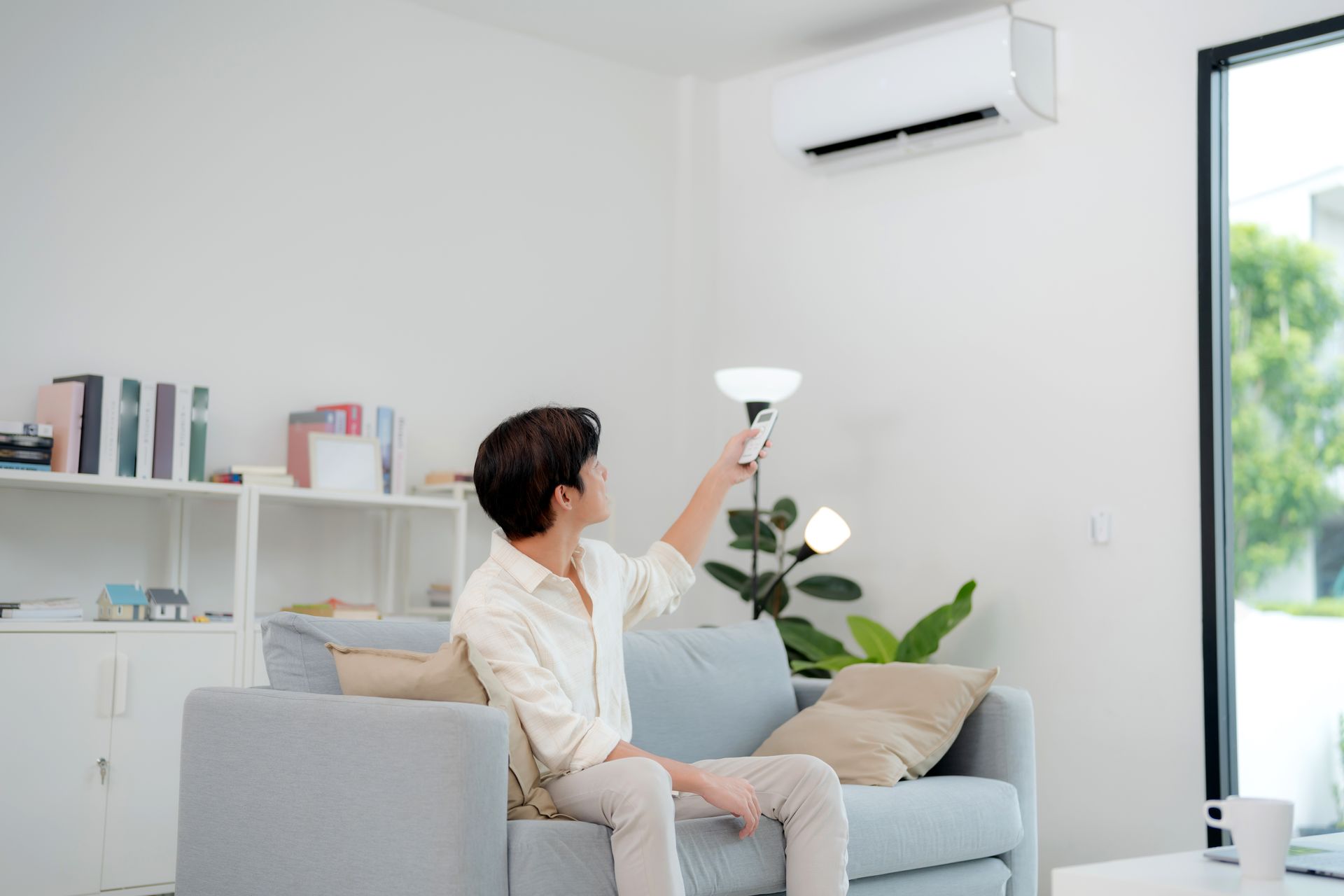
Transitioning your HVAC equipment from summer cooling to winter heating requires more than just flipping a switch on your wall thermostat. At Airsense Mechanical, we see how summer dust, pollen, and airborne debris clog up internal components during long months of constant operation. Neglecting the indoor blower units before the heating demand hits forces your system to run longer, drives up energy costs, and shortens the overall lifespan of the equipment. Taking the time for a proper seasonal check ensures your home remains a clean sanctuary all through the colder months.
A proper maintenance routine involves addressing the internal cleanliness of each individual wall head inside your living spaces. Property conditions in Maple often mean that fine household dust combined with summer indoor humidity creates a thick film over the delicate heat exchanger coils. Cleaning these surfaces requires following exact steps to avoid damaging the internal electronics or bending the aluminum fins. We have mapped out a clear checklist layout to guide you through protecting your ductless heat pump system before winter arrives.
What We Cover:
- Clearing the Primary Air Filters
- How often should I clean the filters on my ductless heat pump?
- Deep Cleaning the Evaporator Coils and Barrel Fans
- Common Mistakes That Damage Indoor Heads
Clearing the Primary Air Filters
The primary mesh filters located just under the front plastic cover are your system's first line of defense against airborne dirt. When these screens get heavily choked with material, the velocity of the air moving through the head drops significantly, causing uneven room temperatures.
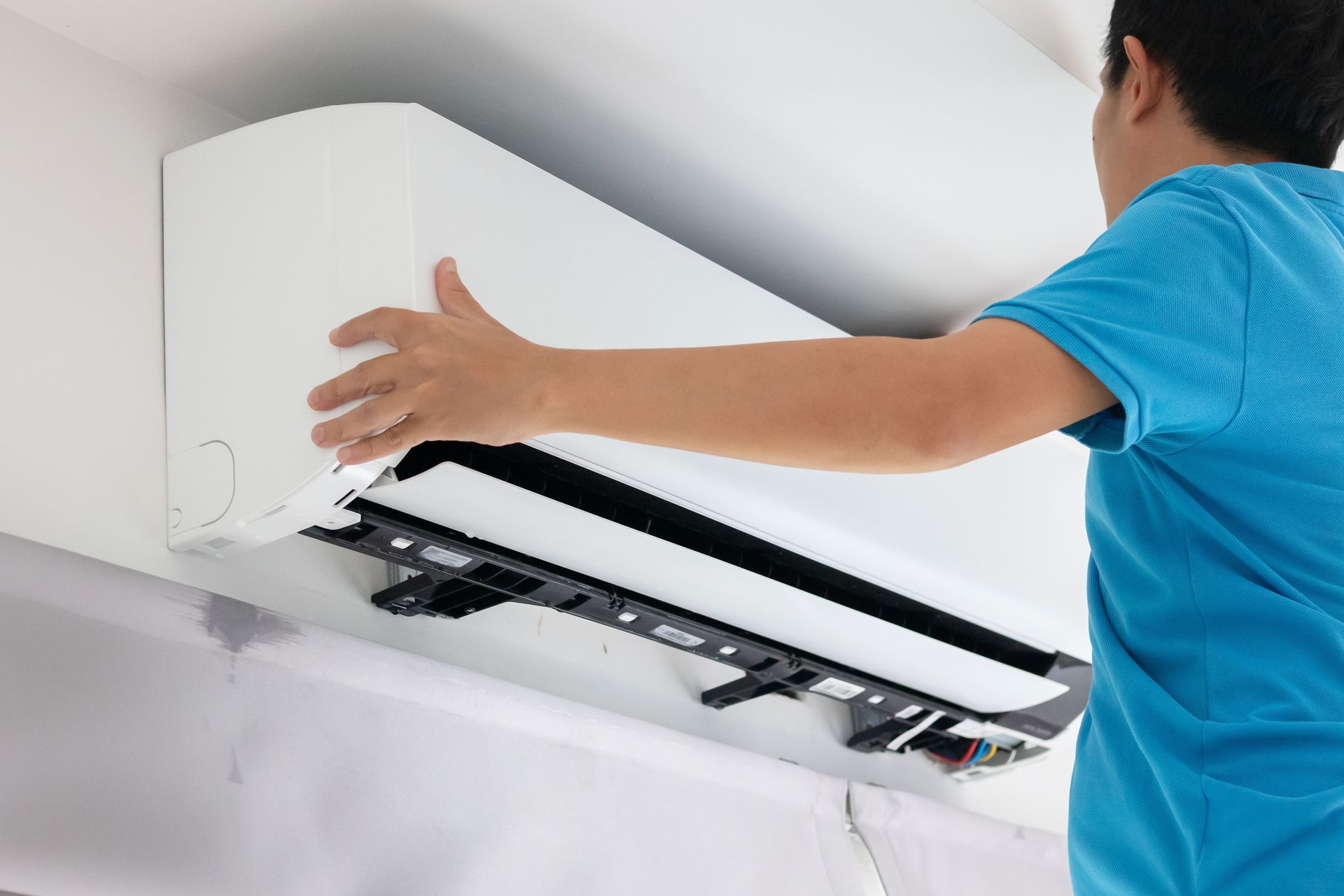
- Filter removal: Gently lift the front panel until it clicks into place, then slide the flexible mesh screens out of their retaining tracks carefully.
- Cleaning method: Rinse the filters thoroughly under lukewarm tap water or vacuum them with a soft brush attachment to remove heavy build up without tearing the fabric.
- Drying process: Allow the mesh to dry completely in a clean area before sliding them back into the unit, as damp filters encourage biological growth inside the casing.
How often should I clean the filters on my ductless heat pump?
This is a critical maintenance question that directly impacts your equipment's daily energy usage. For a typical family home, checking and rinsing these screen inserts every two to four weeks during peak operation seasons is ideal. If you have indoor pets or live near a busy roadway, dust accumulation happens much faster, requiring more frequent cleanings.
► The single most important maintenance fact is that running a ductless system with clogged filters for just one month can drop overall airflow by thirty percent and increase your electricity bill by fifteen percent.
Deep Cleaning the Evaporator Coils and Barrel Fans
Beyond the simple mesh filters lies the actual heat exchanger coil and the cylindrical barrel fan that drives air into the room. Over months of use, fine dust particles bypass the primary screens and form a crust on these wet metallic surfaces, insulating them from the air.
- Coil inspection: Check the rows of aluminum fins for any grey dust accumulation or blocked channels that prevent proper heat transfer.
- Fan wheel check: Shine a light up through the lower louvers to inspect the long barrel fan wheel for dust buildup along the curved blades.
- Clear drain lines: Verify that the small plastic condensation drain pipe is completely clear of debris by pouring a small amount of clean water down the internal tray.
Common Mistakes That Damage Indoor Heads
Attempting a deep clean without understanding the fragile nature of ductless components can lead to expensive air conditioner repair and maintenance calls. The internal parts are delicate and easily broken if handled with heavy force or incorrect tools.
- Using harsh chemicals: Spraying standard household degreasers or bleach onto the aluminum coils causes chemical corrosion that destroys the metal over time.
- Bending coil fins: Using stiff plastic or wire brushes to scrub the heat exchanger permanently flattens the soft aluminum fins, permanently blocking necessary airflow.
- Wetting electronics: Flooding the internal housing with excessive water spray shorts out the main control circuit board located on the right side of the head assembly.
Scheduling Your Professional Seasonal Tune Up
Keeping your ductless system running efficiently through the long winter takes consistent, careful maintenance. If you notice heavy dust deep inside the fan blades or want to ensure your system is mechanically sound, a professional check is the best path forward. Give our certified technicians a call to schedule your comprehensive pre winter system service today.
Share This Blog