What to Check Before Booking a Navien High-Efficiency Boiler Install
Investing in a high efficiency heating system requires looking closely at your current utility setup before any equipment gets delivered. Here at Airsense Mechanical, we inspect properties daily to ensure they can safely support modern heating technology. Upgrading to a new system means moving away from natural draft venting and upgrading gas lines to meet current safety codes. If these technical details are ignored during the planning phase, the project will hit immediate roadblocks and fail safety inspections.
A proper boiler installation relies heavily on the infrastructure hidden behind your drywall and in your utility room. Older houses often lack the specific gas volume and PVC exhaust routes required by advanced condensing units. Assessing these factors ahead of time allows you to budget correctly and prevents emergency modifications on the day of the job. We put together the exact details you need to review before committing to a new high efficiency heating upgrade.
Planning Your Installation:
- Checking Your Gas Line Sizing
- What are the venting requirements for a Navien combi boiler?
- Red Flags When Evaluating Heating Contractors
- Questions to Ask Before Booking the Job
Checking Your Gas Line Sizing
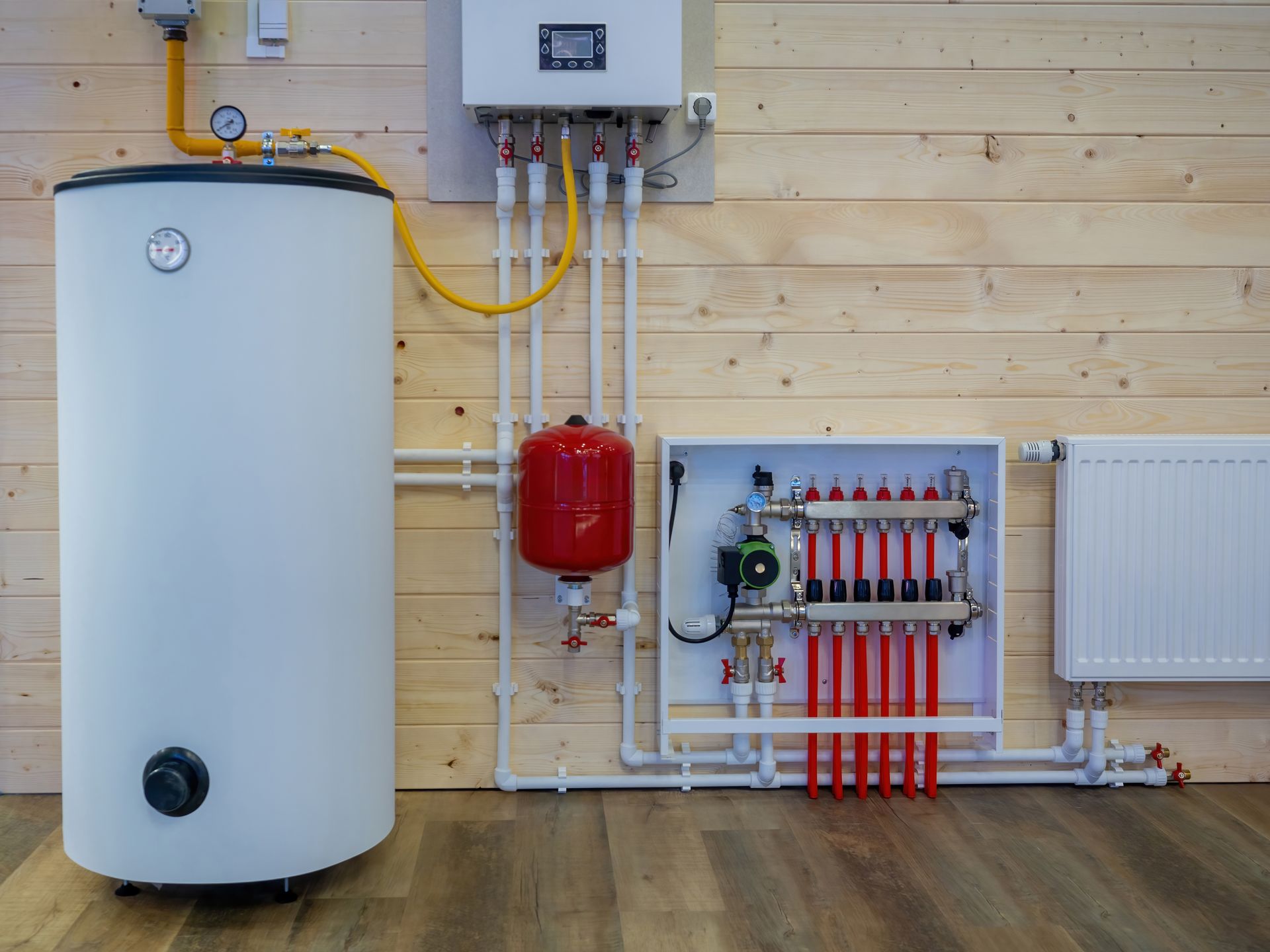
Modern high efficiency heating systems generate massive amounts of energy on demand, which requires a significant volume of natural gas. Older homes in Aurora often feature half inch gas lines that were perfectly fine for an old cast iron unit but cannot feed a modern condensing system. If the gas line is undersized, the new unit will literally starve for fuel during startup and shut down completely.
- Meter capacity: You may need to contact your local utility provider to upgrade your gas meter if you are adding multiple high demand appliances to the property.
- Line runs: Upgrading a gas pipe often requires running a dedicated one inch line directly from the meter to the utility room, bypassing the existing branches.
- Pressure tests: A licensed technician must perform a full pressure test on your existing piping to ensure there are no hidden leaks before firing the new equipment.
What are the venting requirements for a Navien combi boiler?
Venting is the most critical safety component of any modern heating installation. High efficiency units extract so much heat from the combustion process that the exhaust gas is cool enough to travel through PVC or CPVC piping instead of metal chimneys. This exhaust contains moisture and acidic condensation that must be properly sloped toward a drain to prevent it from pooling inside the pipes.
The venting must route directly to an exterior wall and maintain strict clearances from windows, doors, and gas meters. If your utility room is located in the center of the house, finding a safe path for these new PVC pipes requires careful planning and sometimes opening finished ceilings. Using the existing masonry chimney is strictly prohibited by building codes for these types of condensing units.
Red Flags When Evaluating Heating Contractors
The heating industry has exact standards that protect your property and your family from gas leaks and carbon monoxide exposure. If a contractor tries to bypass these mechanical realities to offer a cheaper price, you are the one left holding the risk. Transparency about piping, venting, and permits is the baseline for any professional operation.
- Skipping the load calculation: Any contractor who sizes your new equipment just by looking at the old unit instead of measuring your radiators and square footage is guessing at your comfort.
- Using existing venting: If someone offers to hook a high efficiency condensing unit up to your old metal B vent or brick chimney, they are actively violating safety codes and risking your life.
- Ignoring water quality: A professional will always discuss installing a magnetic filter or doing a system flush because dirty water from old radiators will destroy a new heat exchanger instantly.
Questions to Ask Before Booking the Job
Taking control of the hiring process means asking specific mechanical questions that reveal the contractor's level of expertise. You want to know exactly how they plan to integrate this new technology into your aging property. Asking these questions ensures you get a clean boiler installation rather than a rushed swap that leads to immediate boiler repair calls.
- How will you route the new PVC intake and exhaust pipes to the exterior of the house?
- Does my current gas line have enough volume to support this specific unit, or will you need to run a new pipe from the meter?
- What type of chemical flush or magnetic filter will you use to protect the new unit from sludge in my old pipes?
Booking Your Heating Upgrade Safely
Understanding the mechanical requirements of a new heating system puts you in the best position to make a confident purchase. Taking the time to evaluate your gas lines and venting paths prevents expensive surprises once the project begins.
Contact our team to book a thorough property assessment so we can map out a safe and legal installation plan for your home.
Share This Blog