Boiler Repair or Replacement? Check These 3 Parts Before You Decide
Facing a failing heating system in the middle of autumn is a stressful situation that forces a tough financial decision. At Airsense Mechanical, we guide property owners through the mechanical realities of their aging equipment to help them make the smartest choice. Trying to fix a unit that is fundamentally broken wastes money that could go toward a reliable modern upgrade. Knowing exactly which components dictate the lifespan of your system prevents you from throwing good money at a dying unit.
Many older homes in Ajax still run on heating setups that are well past their prime and showing serious signs of wear. Before you commit to another expensive boiler repair bill, you need to understand the condition of three critical internal parts. Evaluating the heat exchanger, the circulation pump, and the internal scaling levels provides a clear picture of the overall system health. We outlined exactly what to review so you can decide confidently between a basic fix or a full boiler installation.
What to Review Before Deciding:
- Evaluating the Circulation Pump and Scaling Levels
- How do I know if my boiler heat exchanger is cracked?
- Red Flags When Evaluating Heating Contractors
- Questions to Ask Before Booking Your Upgrade
Evaluating the Circulation Pump and Scaling Levels
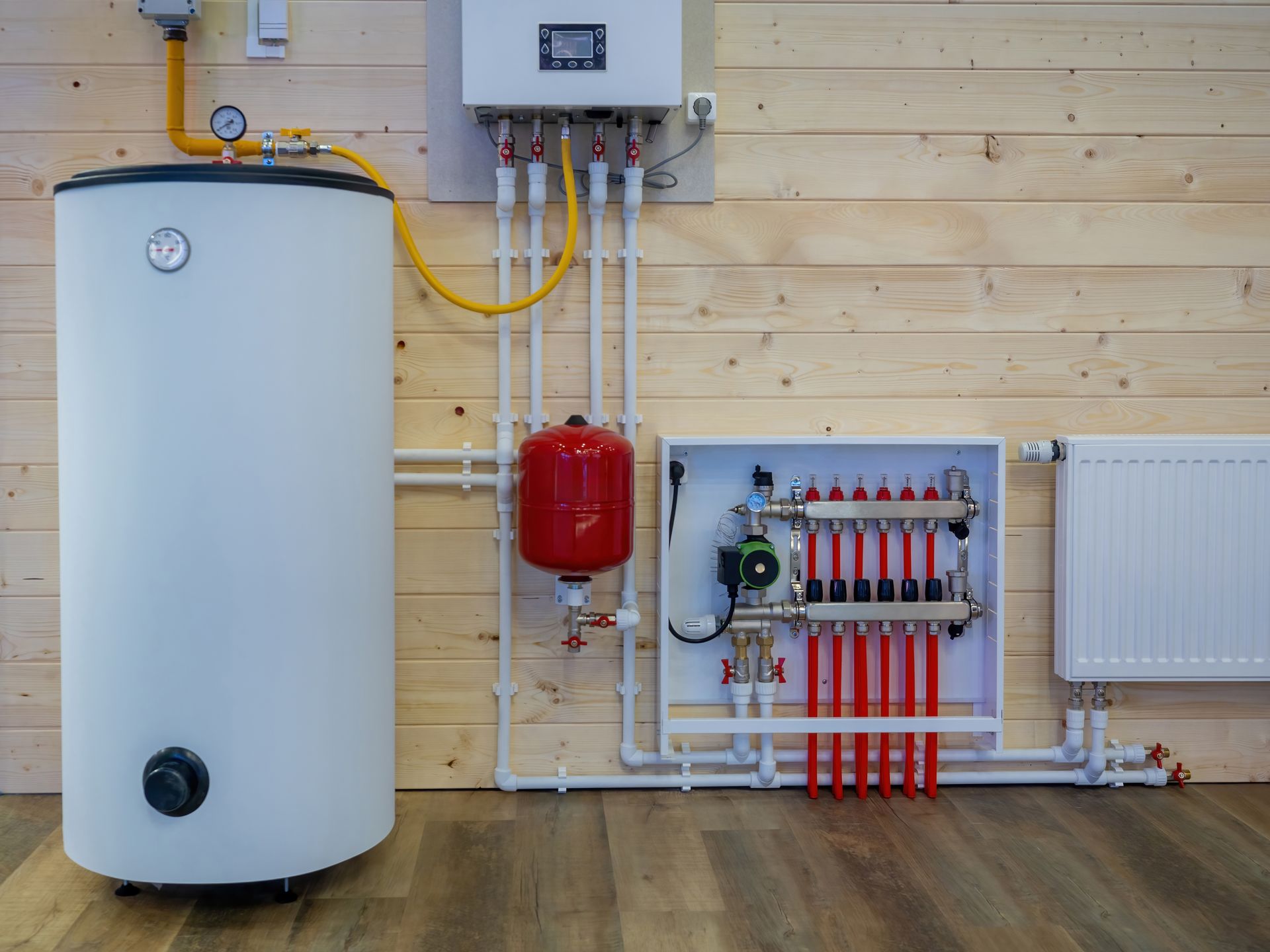
A heating system is only as good as its ability to move hot water through the pipes of your home. When the internal pump fails or heavy mineral scale builds up inside the chamber, the system loses its efficiency entirely. Replacing a minor component makes sense, but heavy systemic scaling often points to a larger, unfixable problem.
- Pump performance: Listen for grinding noises from the pump motor, which indicates failing internal bearings that require a complete motor swap.
- Scale accumulation: Check for thick white or brown crust around the water fittings, showing that hard water has baked onto the metal over years of use.
- Pressure drops: Monitor the pressure gauge daily to see if it drops below ten PSI, meaning water is actively escaping from weak points in the aging system.
How do I know if my boiler heat exchanger is cracked?
The heat exchanger is the most expensive and critical component in your entire heating setup, acting as the barrier between dangerous combustion gases and your home air. A cracked exchanger often produces a distinct, heavy soot buildup around the exhaust vent or a strong smell of unburned gas in your utility room. You might also notice yellow or dancing burner flames instead of a steady blue flame, indicating that water is leaking directly onto the gas burners. If our technicians find a cracked heat exchanger during a diagnostic check, we almost always recommend a full system replacement rather than an unsafe repair.
Red Flags When Evaluating Heating Contractors
The heating industry requires exact mechanical standards, and not every contractor follows the rules when quoting a repair or replacement. Knowing what bad advice looks like protects you from dangerous workmanship and stolen deposits. A trustworthy technician will always back up their recommendations with visible proof and clear explanations.
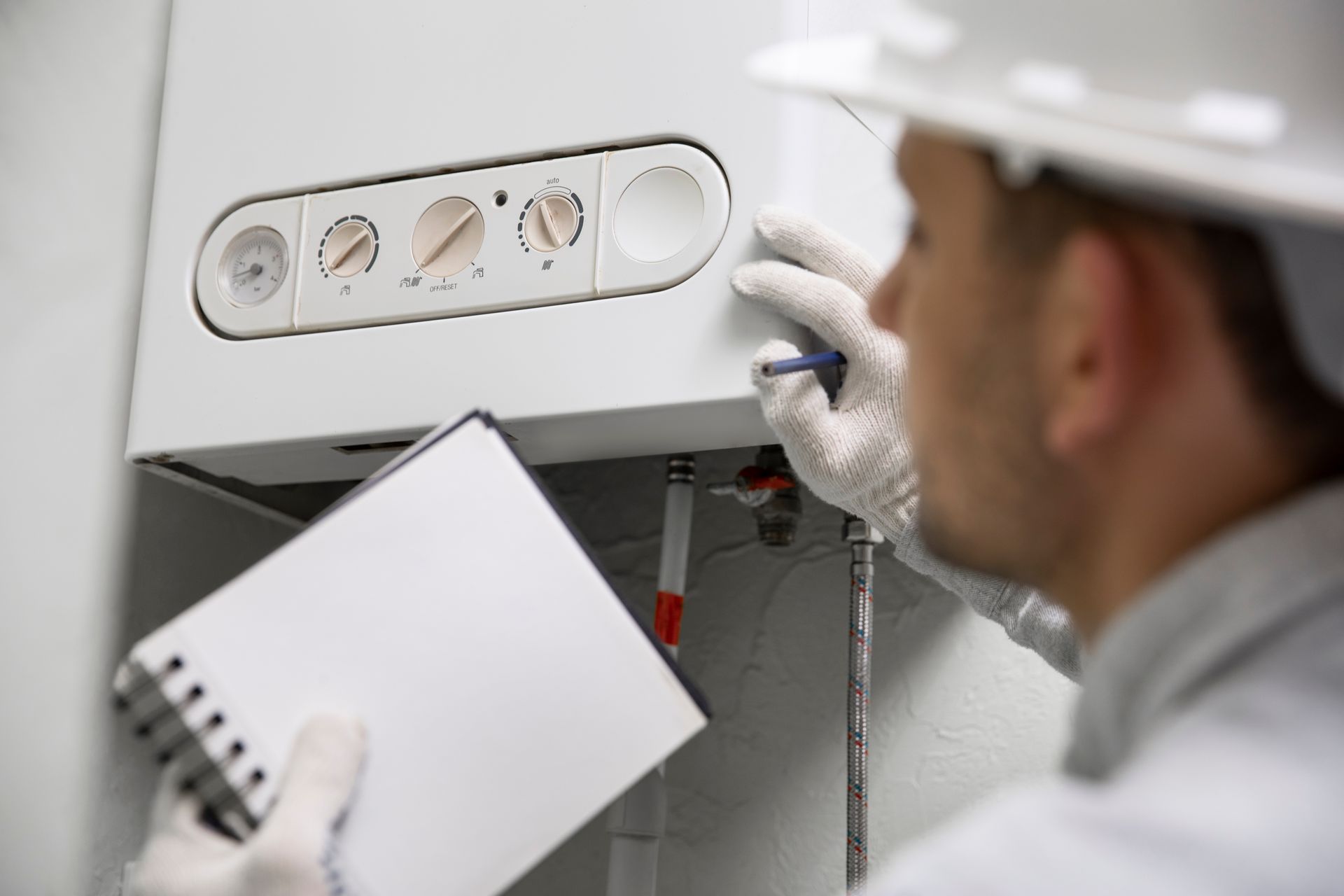
- Guessing the problem: Any technician who recommends a full replacement without actually opening the cabinet to test the internal parts is just chasing a fast sale.
- Ignoring the root cause: Replacing a burnt out pump without checking the water quality means the new pump will just fail again from the same heavy sludge.
- Pushing illegal venting: If a contractor suggests reusing old metal chimneys for a new high efficiency unit, they are violating safety codes and risking your property.
Questions to Ask Before Booking Your Upgrade
Taking control of the decision means asking specific questions that force the contractor to explain their mechanical reasoning. You want to make sure an expensive repair actually adds years to the life of the equipment. Ask these questions to clarify your path forward.
- If we replace this specific part today, what is the likelihood that the rest of the aging unit will survive the upcoming winter?
- Does my current setup have heavy iron sludge in the pipes that will immediately damage a brand new boiler installation?
- Will the cost of this emergency repair be deducted from the total price if I decide to upgrade the entire system next week?
Making the Right Heating Choice
Deciding between a quick fix and a total replacement requires honest facts about the physical condition of your equipment. Taking the time to evaluate the heat exchanger and pump prevents you from sinking money into a doomed system. Reach out to our team for a strict mechanical inspection so you can choose the best path forward for your property.
Share This Blog