Why You Must Never Leave a Broken AC Unrepaired Over the Ontario Winter
Walking away from a broken cooling system when the autumn leaves start falling is a very common but destructive homeowner habit. At Airsense Mechanical, we constantly see the expensive aftermath of property owners ignoring a failing unit just because the weather outside turned cold. Leaving compromised equipment sitting in the snow allows moisture and freezing temperatures to attack the sensitive internal components for months on end. What could have been a basic mechanical fix in October often turns into a total compressor failure by May.
Properties across Richmond Hill experience harsh winter conditions that are brutal on exposed, unsealed metal parts. When an air conditioner is left with an open leak or a broken seal, ice expands inside the copper lines and shatters the internal valves. Understanding the physical toll of winter exposure proves why taking care of your cooling equipment now is absolutely critical. We explain exactly what happens to an ignored cooling unit during the deep freeze.
In This Article:
- The Mechanical Reality of Winter Exposure
- The False Economy of Waiting for Spring
- How Neglected Refrigerant Leaks Destroy Compressors
- Frequently Asked Questions
The Mechanical Reality of Winter Exposure
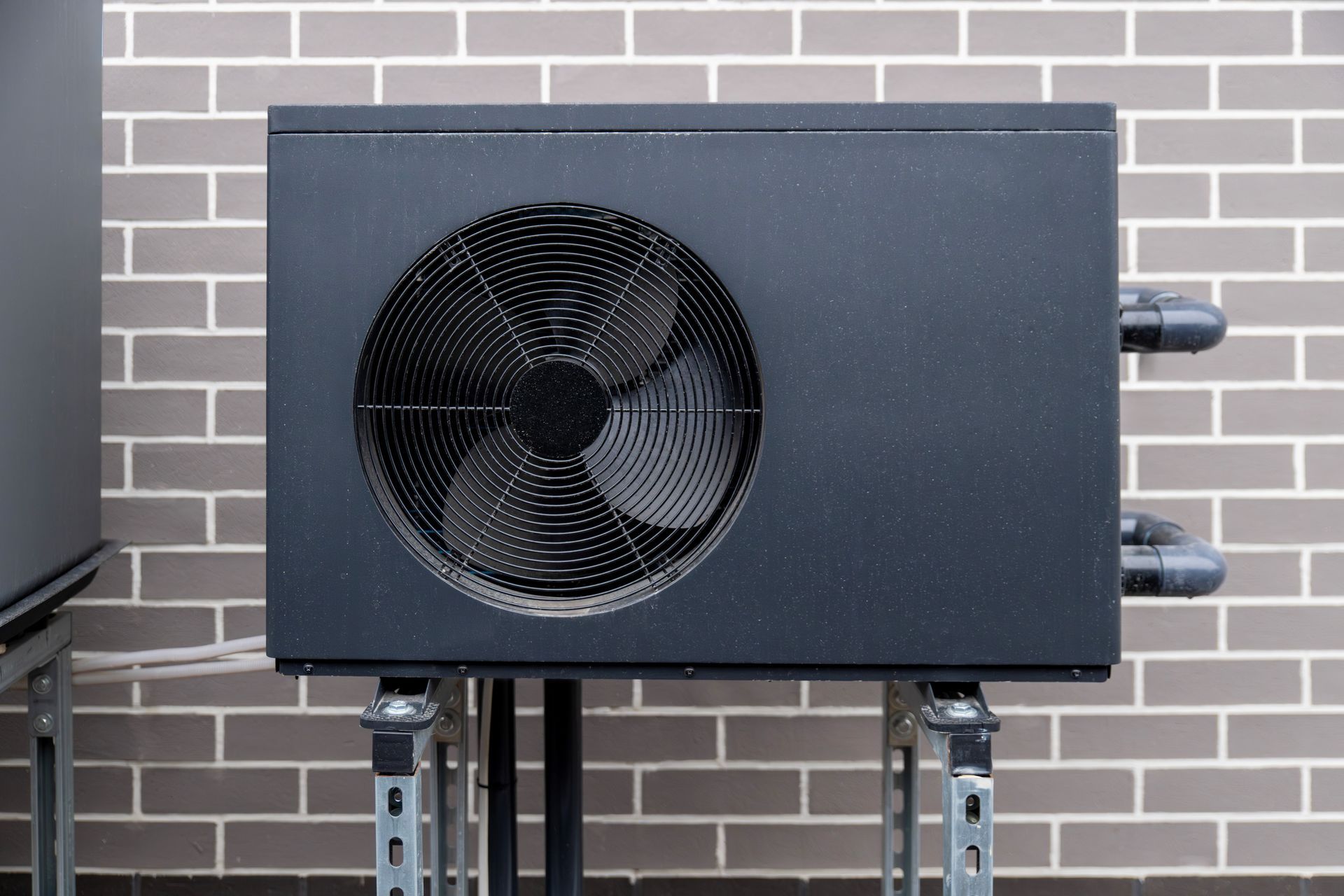
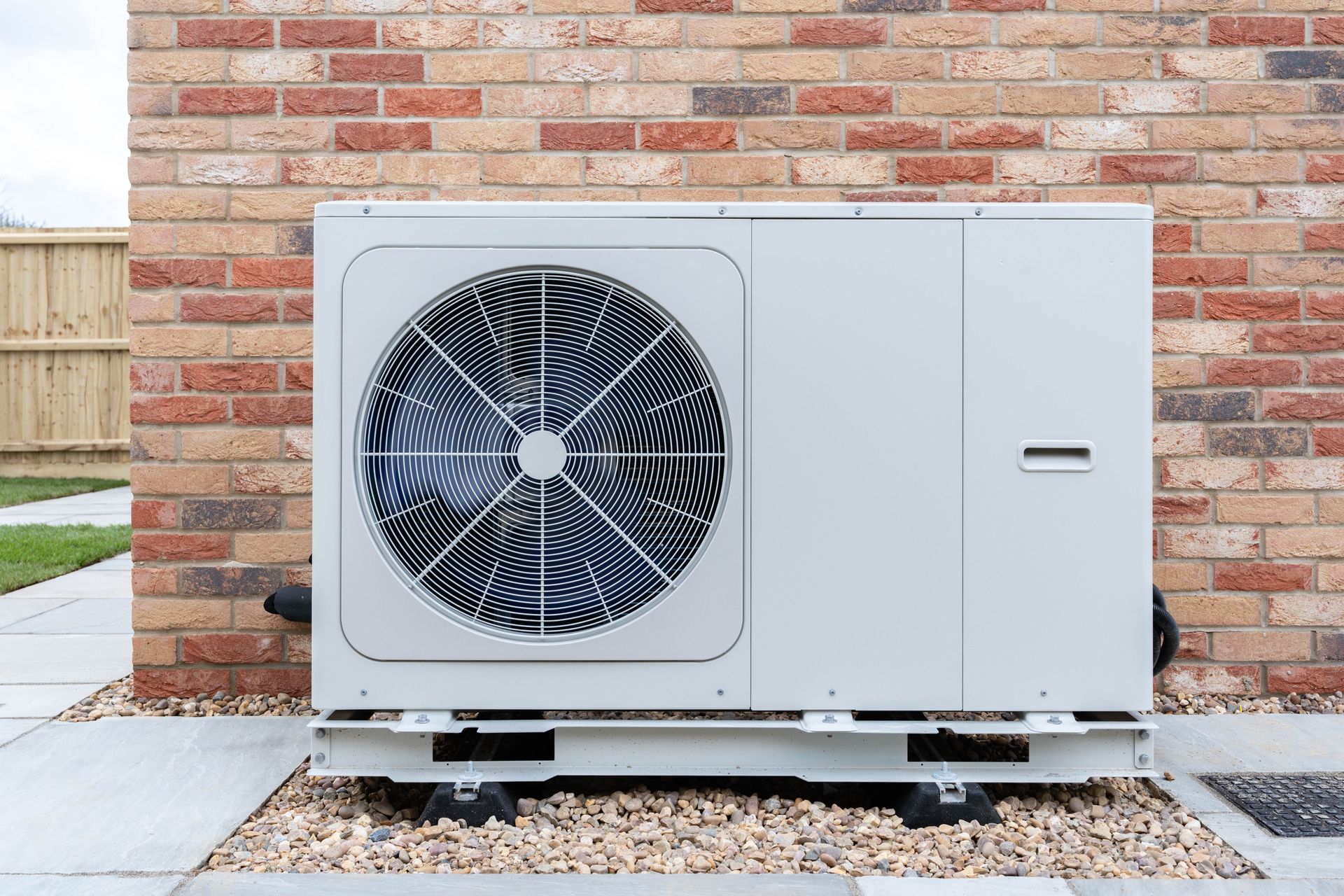
An air conditioner is designed to sit outside year round, but only when its internal sealed system is completely intact and pressurized. If your unit broke down in late summer due to a cracked fitting or a damaged contactor, the protective seal is gone. Rain water, melting snow, and heavy condensation find their way inside the electrical cabinet and begin rusting the exposed copper wires immediately.
As temperatures drop below zero, any moisture trapped inside the refrigerant lines or the compressor shell freezes solid. Ice expansion exerts massive physical force, easily splitting thick copper pipes and ruining the delicate aluminum fins on the outdoor coil.
→ From a professional standpoint: A cooling system must remain completely pressurized and chemically sealed to survive the freezing and thawing cycles of a Canadian winter.
The False Economy of Waiting for Spring
The most common underestimation we encounter is the belief that delaying an air conditioner repair until the spring will somehow save money. Homeowners assume the broken unit is just sitting dormant and safe under a pile of snow. In reality, the damage multiplies every single week the equipment sits exposed to the harsh elements without proper mechanical protection.
By the time May arrives and you finally call for service, the original minor issue has caused a domino effect of internal corrosion. Technicians arrive to find seized fan motors, rusted electrical boards, and completely empty refrigerant lines that require days of labor to restore.
→ A quick tip to remember: Booking an air conditioner repair in the fall guarantees faster service times and protects your equipment from months of weather related degradation.
How Neglected Refrigerant Leaks Destroy Compressors
If your system stopped cooling in August because of a slow refrigerant leak, leaving it empty all winter is the worst possible action. Refrigerant gas contains specialized oil that coats and protects the internal bearings of the main compressor. When the gas leaks out, the oil goes with it, leaving the bare metal parts exposed to the damp winter air.
Without that chemical barrier, the inside of your expensive compressor rusts completely solid by the time spring rolls around. When you try to turn the system on for the first hot day of the year, the rusted motor simply locks up and burns out the electrical circuits.
→ From a professional standpoint: An empty refrigerant line acts like a vacuum, pulling damp winter air directly into the heart of your mechanical equipment.
Frequently Asked Questions
Can I leave a broken air conditioner outside all winter?
Leaving a broken unit outside without addressing the mechanical failure exposes the internal parts to severe weather damage. If the system has a leak or a broken electrical seal, winter moisture will infiltrate the cabinet and corrode the essential components. You must have a professional secure and seal the unit properly if you intend to delay a full repair.
Will rain and snow damage a broken AC compressor?
Rain and snow will absolutely destroy a compressor if the sealed refrigerant lines are compromised or left open to the atmosphere. Intact systems are weatherproof, but a broken system allows water to enter the mechanical housing where it freezes, expands, and cracks the metal. This hidden internal ice damage is the primary reason neglected units cannot be saved in the spring.
Is it cheaper to repair an AC in the fall or spring?
Repairing your equipment in the fall is significantly more cost effective because it prevents secondary weather damage from occurring over the winter. Furthermore, securing parts and booking labor in the autumn is much easier than fighting through the massive surge of emergency calls during the first spring heatwave.
Securing Your Equipment Today
Ignoring a broken cooling system in the fall guarantees a much larger repair bill when the warm weather returns. Taking action now seals the system against the harsh winter elements and protects the expensive internal compressor from rust.
Call our technicians to properly diagnose and secure your cooling equipment before the snow starts falling.
Share This Blog