What a Smart Thermostat Actually Changes for Your Winter Heating Bills
Managing household utility costs during a long Ontario winter requires more than just turning down the dial and wearing extra layers. At Airsense Mechanical, we regularly field questions from homeowners who want to know if upgrading their controls will actually make a dent in their monthly expenses. The promise of automated climate control is heavily marketed, but the actual mechanical impact on your property is often misunderstood. Understanding how modern thermostats interact with your primary heating equipment reveals exactly where the financial savings come from.
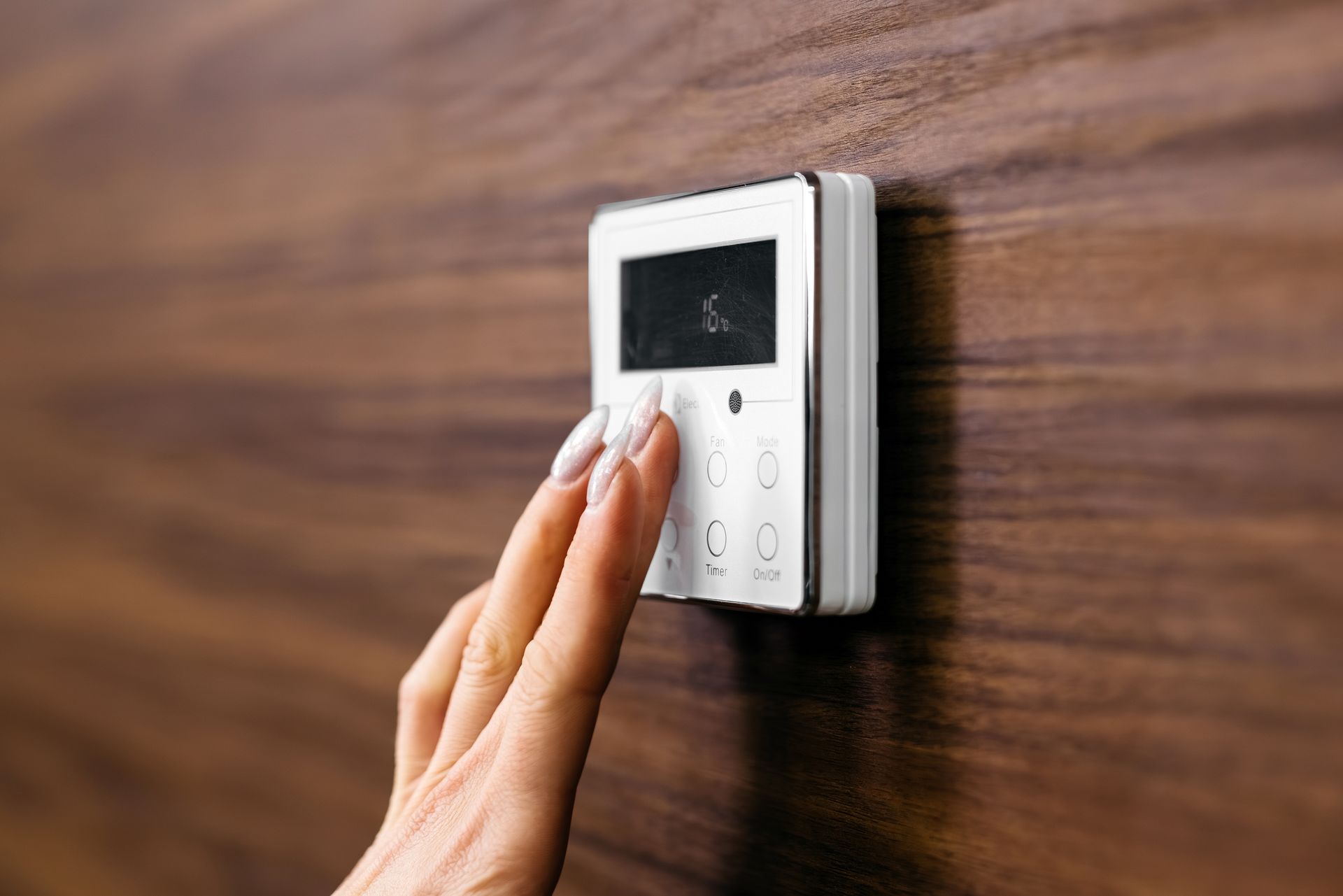
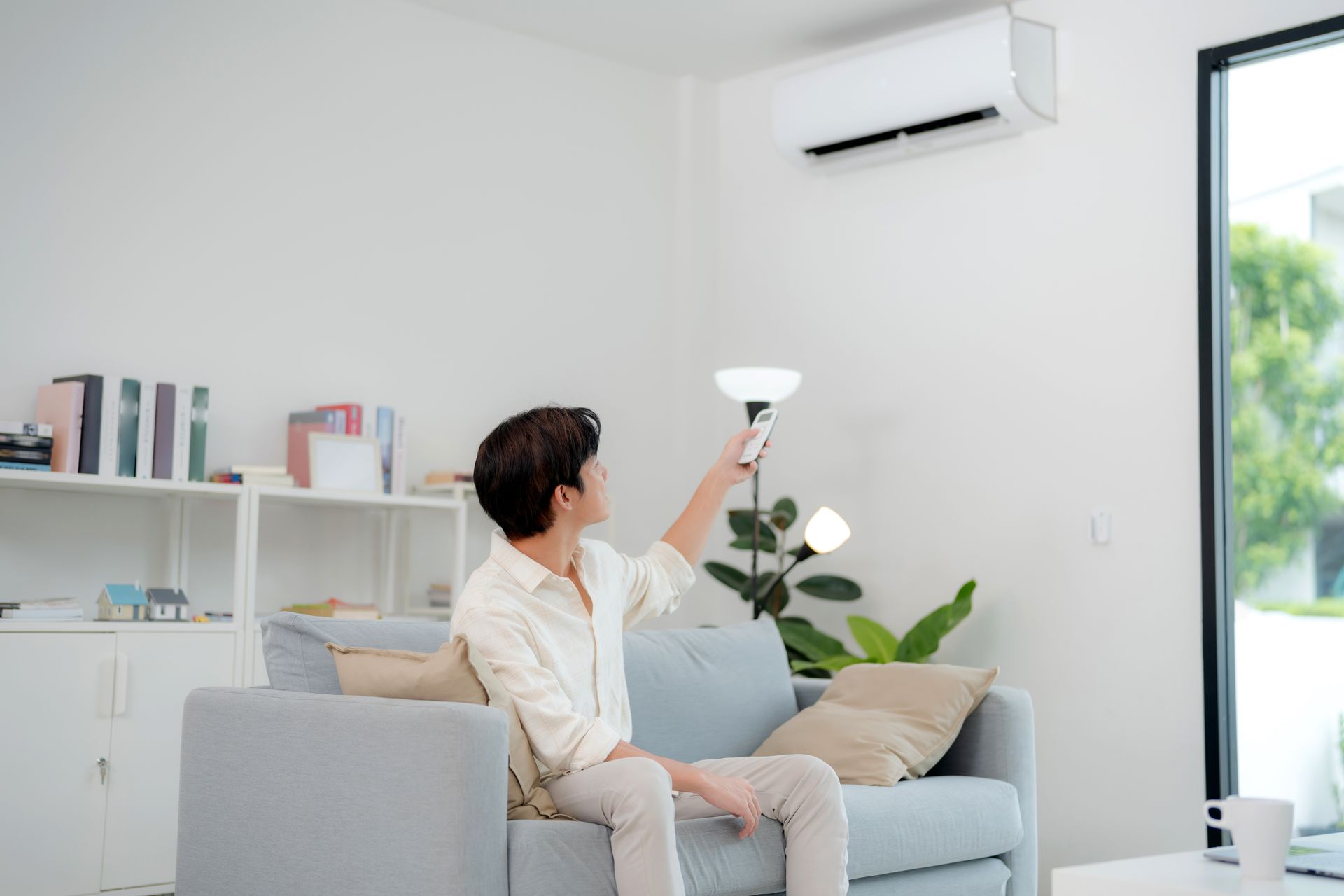
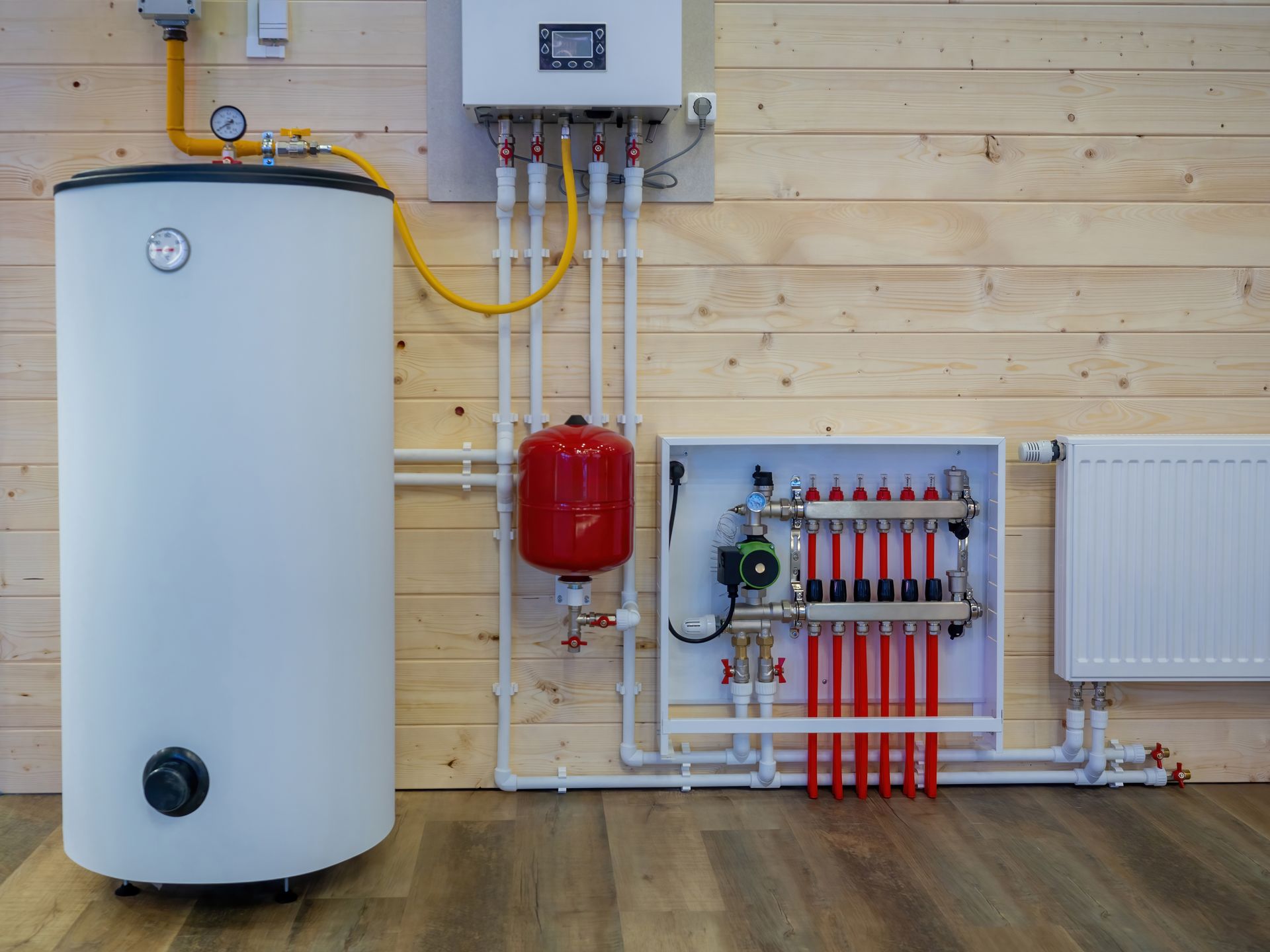
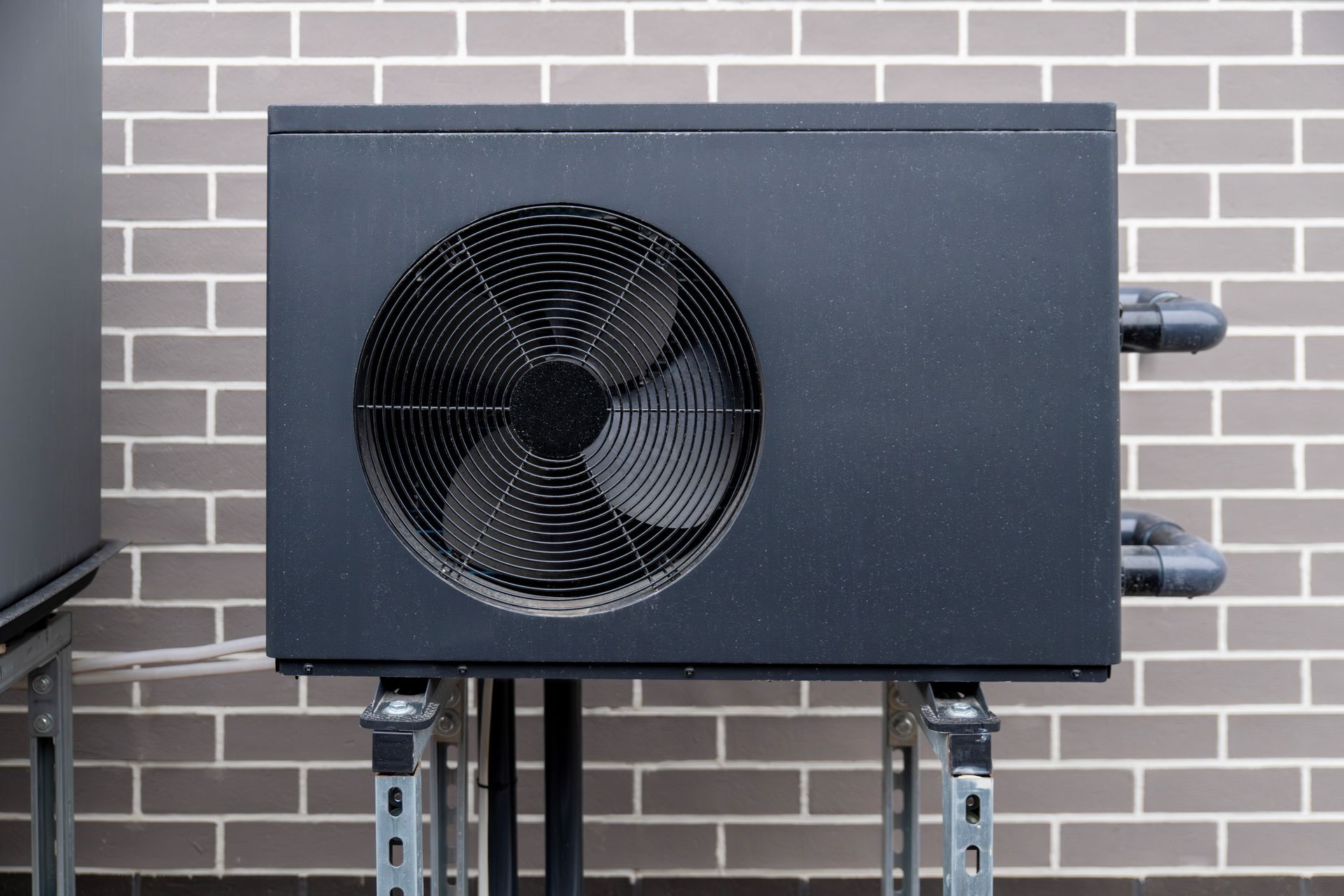
Many people assume a digital screen simply turns the heat on and off faster than an old mechanical dial. In reality, modern heating systems like cold climate heat pumps rely on precise staging and steady runtimes to achieve their factory efficiency ratings. A basic control system can actively work against your high-end equipment by forcing it into inefficient operating patterns. When you install a smart thermostat matched to your specific machinery, you change how the entire system approaches the daily heating load.
Here is what we cover in this guide:
- The Truth About Heating Savings
- Preventing Equipment Short-Cycling
- What Automation Cannot Fix
- Frequently Asked Questions
The Truth About Heating Savings
Homeowners often ask if smart thermostats actually save money on heating. The short answer is yes, but not by magically reducing the cost of electricity or gas. The savings come entirely from eliminating wasted mechanical effort and preventing the system from running when the house is empty.
A traditional thermostat simply reacts to the temperature dropping past a certain point. It tells the equipment to run at full capacity until the target temperature is reached, then shuts it down completely. A smart thermostat uses predictive algorithms to understand exactly how long your house takes to warm up. By evaluating the outdoor temperature and learning your daily schedule, it calculates the most efficient way to bring the home to a comfortable level just as you walk through the door.
This level of precision is where the smart thermostat benefits become obvious on your utility bill. Instead of blasting maximum heat to recover from a deep temperature drop, the smart control stages the equipment to run longer, gentler cycles. This steady cruising speed consumes significantly less energy than constant starting and stopping.
Preventing Equipment Short-Cycling
One of the biggest mechanical changes a smart thermostat introduces is improved cycle management. If you live in Vaughan and have an older furnace paired with a basic thermostat, you might hear the unit fire up for five minutes, shut off, and turn back on ten minutes later. This rapid switching is called short-cycling.
Short-cycling is terrible for energy efficiency and even worse for the internal parts of your heating system. A smart device prevents this by utilizing built-in compressor protection delays and adjustable temperature swings. By allowing the house to cool down just a fraction of a degree more before turning the heat back on, the thermostat forces the equipment to run a longer, healthier heating cycle. This protects your blower motor and heat exchanger while maximizing the heat output for every dollar spent.
What Automation Cannot Fix
While upgrading your controls provides excellent benefits, it is important to be realistic about what the technology can actually solve. A smart device is the brain of your HVAC system, but it cannot fix fundamental physical flaws in your property.
- Drafty insulation: If your attic lacks proper insulation or your windows leak heavily, your heating equipment will still have to run constantly to replace the escaping air.
- Undersized machinery: A thermostat cannot force a small heat pump to produce more total BTUs than it was built to handle during a severe winter freeze.
- Ductwork blockages: Automation will not solve uneven room temperatures if your sheet metal ducts are crushed or disconnected behind the drywall.
Getting the most out of your new controls means ensuring your ductless heat pump or central forced air system is properly maintained and sized for the building.
Frequently Asked Questions
Do smart controls work with any heating system?
Most modern digital controls are compatible with standard furnaces and boilers. However, if you use a high-efficiency communicating heat pump, you often need the specific proprietary thermostat designed by the manufacturer to access all the variable-speed staging features.
Will a smart thermostat ruin my heat pump efficiency?
It will only hurt efficiency if it is programmed incorrectly. Heat pumps prefer steady baseline temperatures. A smart control should be set to maintain a consistent indoor climate rather than utilizing deep, aggressive temperature drops while you are at work.
Optimizing Your Winter Heating Setup
Taking control of your monthly utility costs means ensuring your equipment only runs exactly when and how it needs to. Matching the right automation technology to your specific mechanical setup eliminates waste and protects your internal components from unnecessary wear. Stop paying for wasted energy. Contact our team to match your current heating system with the correct smart controls today.
Share This Blog