The Real Reason Your High-Efficiency Combi Boiler Keeps Losing Pressure
Waking up to a freezing house because your heating equipment locked itself out is a stressful reality for many property owners in the late autumn. At Airsense Mechanical, we see a massive spike in service calls from homeowners dealing with pressure faults the moment the weather turns cold. Modern heating systems operate on a closed loop of water that requires exact pressurization to function safely. When that pressure drops, the internal computer shuts the entire system down to protect the heat exchanger from melting.
The immediate reaction is usually to open the fill valve, add more water, and reset the unit. While this temporarily restores the heat, it completely ignores the mechanical root cause of the pressure loss. A sealed boiler system should never consume or lose water under normal operating conditions. Constantly feeding fresh water into the pipes actually introduces new minerals and oxygen that will destroy the internal metal components from the inside out.
What you will find below:
- The Mechanics of a Closed Heating Loop
- Why Combi Boilers Drop in Pressure
- The Danger of Constant Refilling
- Finding the Hidden Water Leaks
The Mechanics of a Closed Heating Loop
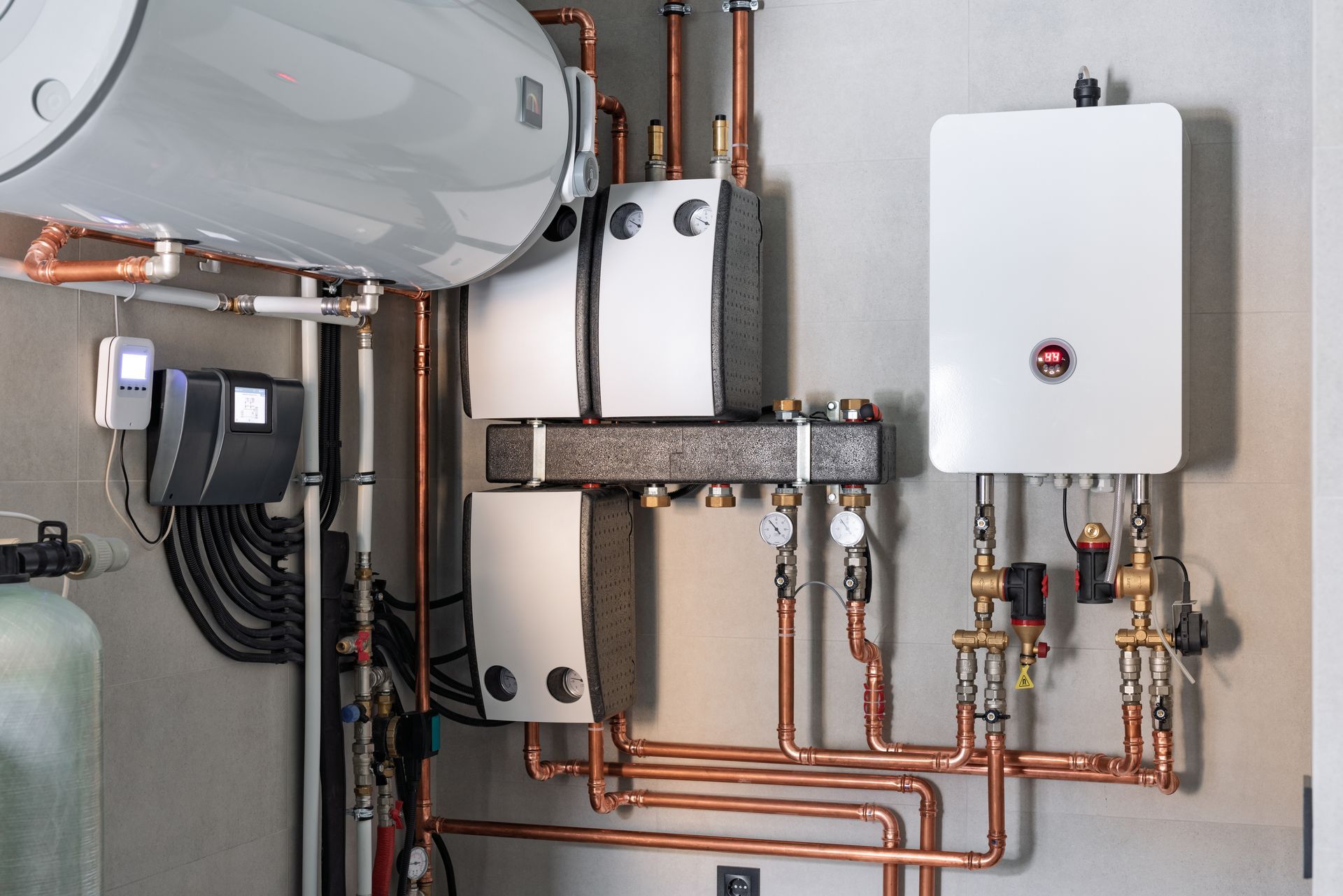
A high-efficiency combi boiler operates by circulating a fixed amount of water through your radiators or baseboards. This water is heated rapidly and pushed through the house by an internal circulation pump. Because water expands physically when it gets hot, the system requires a baseline pressure of around twelve to fifteen PSI when cold.
When you ask why your combi boiler keeps losing pressure in November, the answer lies in the physics of this closed loop. If the pressure gauge drops below ten PSI, it means water is actively escaping the sealed system. The boiler safety sensors detect this lack of water volume and immediately cut the gas supply. Running a boiler without enough water causes the primary heat exchanger to flash-boil the remaining fluid, cracking the metal plates instantly.
Why Combi Boilers Drop in Pressure
The actual reason you are losing pressure usually comes down to one of two distinct mechanical failures. Homeowners in Etobicoke often assume the boiler itself is broken, but the culprit is frequently a safety device doing exactly what it was designed to do.
The most common cause is a flat expansion vessel. This internal tank contains a rubber bladder surrounded by air that absorbs the expanding volume of hot water. If the bladder loses its air charge or ruptures, the expanding hot water has nowhere to go. The pressure spikes rapidly, forcing the emergency pressure relief valve to open and dump water out of the system. When the boiler cools down later, it is now missing water, resulting in a low-pressure lockout.
The second major cause involves micro-leaks across the property. A loose radiator valve or a corroded pipe fitting hidden under a floorboard might only leak a few drops an hour. Over weeks of operation, those tiny drops add up to a significant loss of system volume.
The Danger of Constant Refilling
When faced with a combi boiler losing pressure, the worst thing you can do is continuously open the manual fill valve week after week. The original water inside your heating loop is old, stagnant, and completely stripped of oxygen. This "dead water" is actually perfect for the system because it cannot cause rust.
- Oxygen corrosion: Every time you add fresh tap water to the boiler, you introduce new oxygen that immediately starts rusting the steel radiators and internal pumps.
- Mineral scaling: Fresh water contains hard minerals like calcium. When this water hits the hot heat exchanger, the calcium bakes onto the metal, insulating the heat and causing the boiler to over-fire.
- Sludge formation: The combination of rust and minerals creates a thick black sludge that eventually destroys the circulation pump and blocks the narrow water channels.
Finding the Hidden Water Leaks
Proper boiler repair involves tracking down exactly where the fluid is going. Our technicians start by checking the air charge on the expansion vessel and inspecting the discharge pipe on the pressure relief valve. If the internal boiler components are sound, we systematically check every radiator, valve, and visible pipe run in the house. Fixing a failing expansion tank or tightening a weeping valve restores the closed loop and stops the cycle of constant refilling.
Protecting Your Heat Exchanger
Ignoring a recurring pressure drop guarantees a much more expensive mechanical failure right in the middle of winter. Finding the exact point of volume loss protects the primary heat exchanger and keeps hard water out of your pipes. Stop resetting your equipment and let us find the leak. Call us to book a professional diagnostic check on your boiler system today.
Share This Blog