Why "Topping Up" Your Heat Pump Refrigerant Doesn't Fix Winter Heating
The idea that heating systems consume chemical refrigerants like a car consumes gasoline is one of the most persistent and damaging myths in the HVAC industry. At Airsense Mechanical, we frequently meet homeowners who ask us to just add a little gas to their struggling heating equipment so they can get through the winter. This fundamental misunderstanding of how a heat pump operates leads people to spend money on temporary fixes that ultimately destroy their expensive machinery.
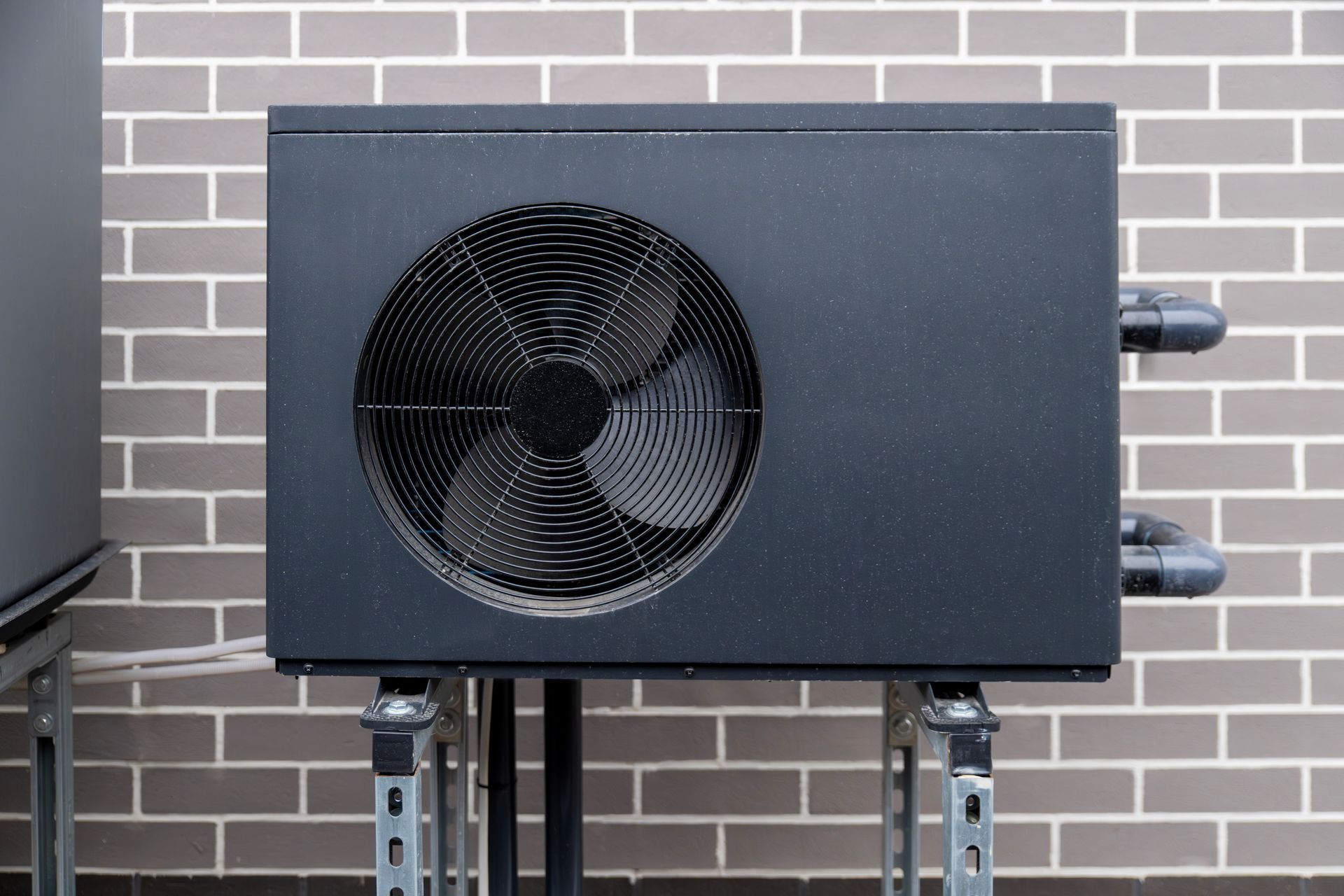
A central or ductless heat pump is a sealed, closed-loop mechanical system. The chemical inside never gets used up, burned, or exhausted during normal operation. If the system is low on pressure, it means there is a physical hole in the copper piping or internal coils. Understanding why topping up this chemical is a terrible idea will save you from catastrophic compressor failures when the deep freeze hits.
Inside this article:
- Why Systems Blow Cold Air in Winter
- The Reality of the Closed Loop
- How Low Pressure Destroys Compressors
- Frequently Asked Questions
Why Systems Blow Cold Air in Winter
Property owners often ask why a heat pump is blowing cold air in winter instead of delivering reliable warmth. The answer comes down to the basic physics of the refrigeration cycle. To heat your home in January, the outdoor unit must extract ambient heat energy from the freezing outdoor air. It does this by dropping the temperature of the internal refrigerant so low that even sub-zero air contains enough heat to warm it up.
When you have a heat pump refrigerant leak, the total volume of chemical in the system drops. With less fluid available, the equipment cannot absorb enough heat from the outdoors to transfer into your living room. The indoor fan continues to blow air across the coil, but because the coil has no heat to give, the air coming out of your vents feels incredibly cold. A system running low on pressure loses its heating capacity long before it stops running entirely.
The Reality of the Closed Loop
If you hire a contractor who simply attaches a gauge and adds a few pounds of chemical to your system in Aurora, you are throwing your money away. Adding refrigerant without repairing the leak is like filling a tire with a nail still stuck in it.
The pressure inside a running heat pump is immense. The new chemical you just paid for will immediately begin leaking out of the exact same hole. Depending on the size of the fracture, you might get three weeks or three days of proper heating before the system starts blowing cold air again. Legitimate heat pump repair & maintenance requires finding the actual leak using electronic detectors, recovering the remaining gas, brazing the hole shut, and testing the system under a strict vacuum.
How Low Pressure Destroys Compressors
The danger of ignoring a leak goes far beyond a cold house. The compressor sitting inside your outdoor unit is the most expensive component in the entire system, and it relies on the refrigerant to keep itself lubricated and cool.
Refrigerant gas contains a highly specialized oil that travels through the copper lines to lubricate the mechanical bearings inside the compressor motor.
- Oil starvation: When the gas leaks out of a hole, the oil sprays out right along with it.
- Motor overheating: Running the system with low pressure means the compressor has to work twice as hard with half the lubrication.
- Mechanical failure: The metal bearings eventually grind together, causing the motor to lock up completely and burn out the electrical circuits.
By the time you realize the quick top-up has failed again, the compressor is usually damaged beyond repair, leading to a complete system replacement.
Frequently Asked Questions
How do technicians actually find a refrigerant leak?
Professionals use highly sensitive electronic leak detectors that sniff out the specific chemical compounds in the air. If the leak is incredibly small, we isolate different sections of the copper piping and use high-pressure nitrogen to listen for the exact location of the escaping gas.
Is it illegal to keep refilling a leaking system?
Yes, environmental regulations strictly prohibit technicians from intentionally adding ozone-depleting or high global warming potential refrigerants to a system that is known to be leaking. A proper repair must be executed to protect both the equipment and the environment.
Securing Reliable Heat Pump Operation
Treating a chemical leak with a quick refill leaves your heating equipment vulnerable to total mechanical failure during the coldest months of the year. Locating the physical hole and brazing it shut ensures your property stays warm and your compressor stays lubricated. Do not settle for a temporary fix that ruins your equipment. Reach out to our certified technicians to properly diagnose and repair your system leaks permanently.
Share This Blog